Protein monitoring and chronic inflammation
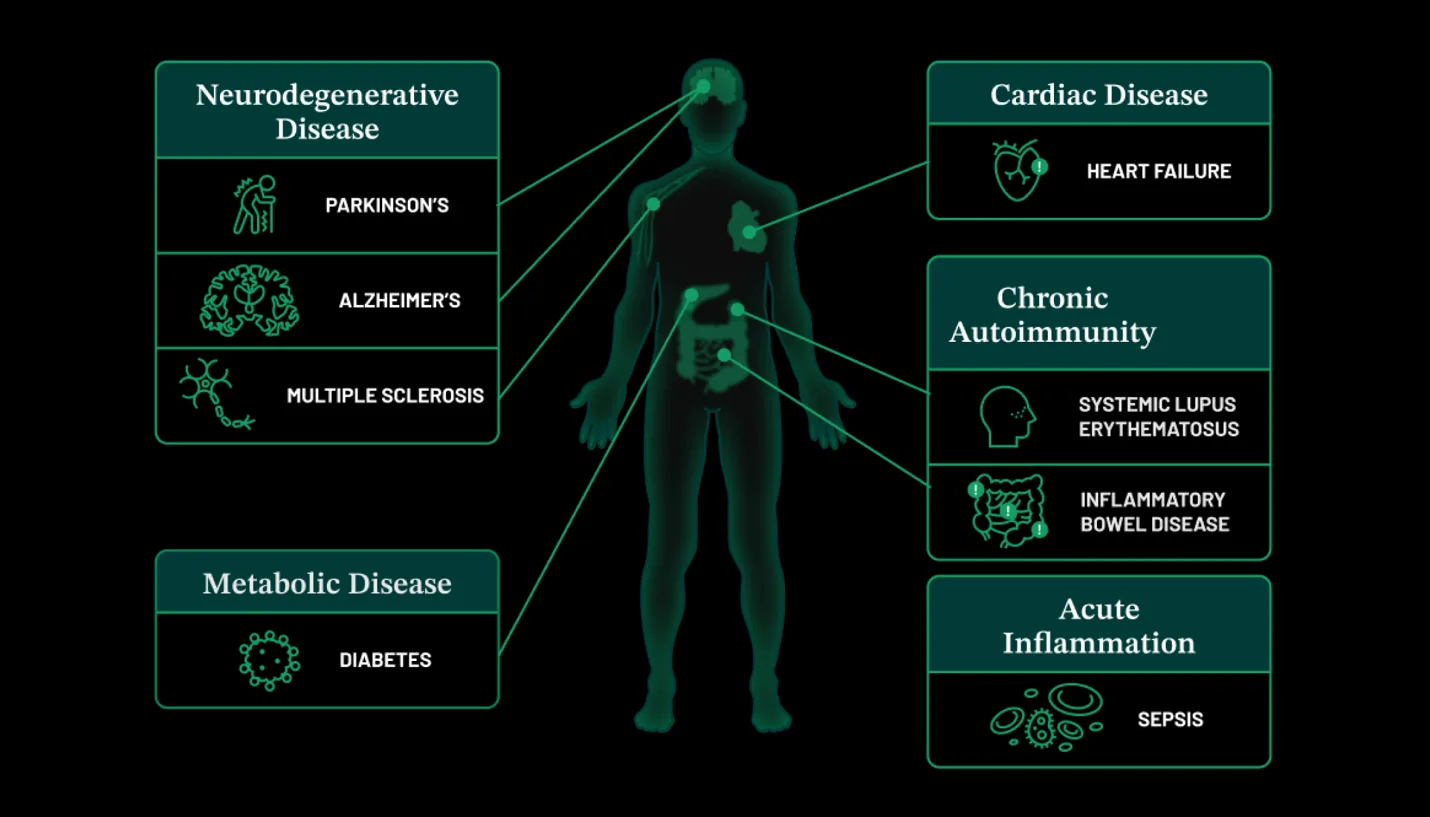
A cool review article, sadly behind a paywall, in @science last week by a @northwestern university and @czi Chicago Biohub team led by @Shana Kelley, “From reactive to proactive: Continuous protein monitoring for preventive health care”, covers recent progress in this emerging area, starting with the observation that “protein biomarker measurements often require lab-based equipment for complicated immunoassays”, which means having to go to a lab and that the results are usually not instantaneous. With new, affinity-based techniques, continuous protein monitoring (CPM) has enormous potential in multiple chronic diseases (metabolic, cardiovascular, autoimmune, and neurodegenerative) but clinical validation will first come from “seeking to predict or prevent severe events like progression of heart failure or sepsis.”
For many conditions and proteins, we don’t know how protein levels correlate with disease states (other than in extreme cases such as sepsis) and we don’t even know how they fluctuate. For the topic of most interest to me, chronic, low-grade, systemic inflammation, just having a robust serum biomarker beyond CRP, IL-1b, TNF-a or procalcitonin levels would constitute major progress. suPAR (soluble urokinase plasminogen activator receptor) is a promising candidate and I hope it can reach the critical scale and the low cost needed for hockey stick adoption (the leading suPAR test by @virogates is for research use only and not clinical use in the US). We are far from continuous monitoring.
Low grade inflammation is at the very least causally involved in a range of chronic diseases, type II diabetes, obesity, liver disease, neuro-degenerative diseases, etc. The fact that it is measured so incompletely is unconscionable. Knowing your inflammatory state could provide a powerful feedback loop to alter the controllable stressors that promote inflammation -poor sleep, ultra-processed diet, lack of exercise, non-existent social life, stress.
A blog post from CZI puts it clearly: “Continuous glucose monitoring revolutionized diabetes care by letting patients and doctors see blood sugar changes in real time and adjust treatment accordingly. The same approach applied to inflammatory proteins could transform care for autoimmune diseases like lupus or inflammatory bowel disease, and other chronic diseases, including those affecting cardiovascular health. Early detection of inflammatory flares could prevent irreparable damage and enable safer, more targeted treatments.”
@Jane M. Donnelly et al. From reactive to proactive: Continuous protein monitoring for preventive health care.Science389,eady6497(2025). DOI:10.1126/science.ady6497
Image from CZI blog
@jordan shlain, @david barzilai, @john battelle, @eric verdin
Continuous protein monitoring could transform how we detect and manage diseases across multiple body systems, from catching early signs of neurodegeneration to managing autoimmune flares in real time. chanzuckerberg.com/blog/continuous-protein-mon…