Stack Overflow
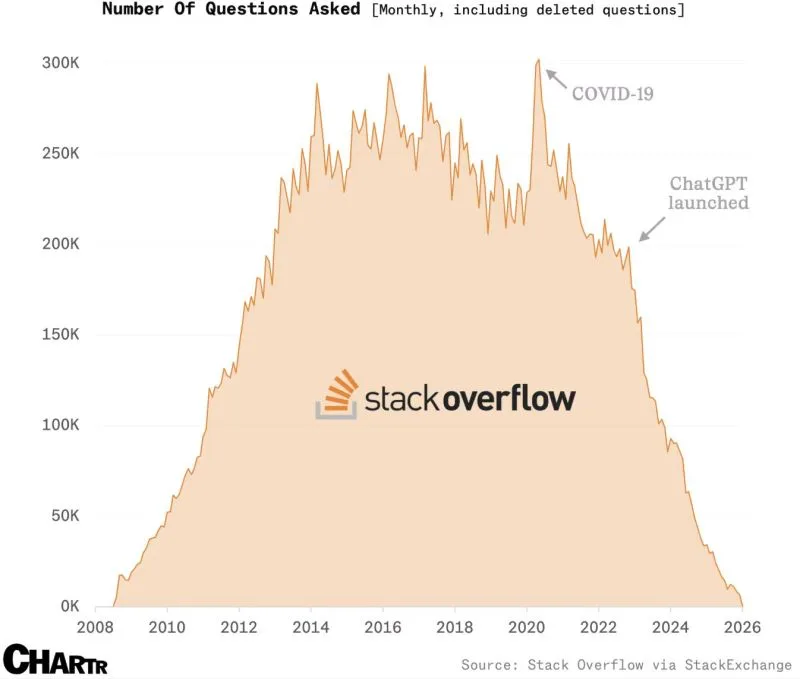
Many have seen this chart of the "number of questions asked on stack overflow" over time and concluded, rightly, that ChatGPT precipitated its demise.
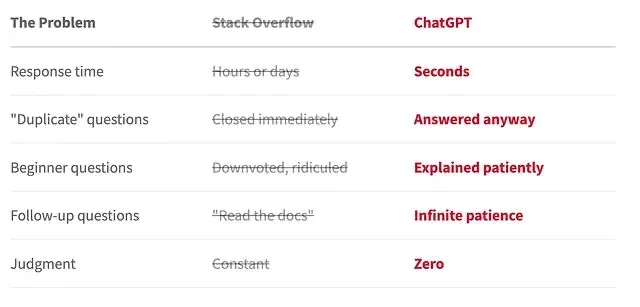
The story is more complicated, and some it is explained in Atiar Talukdar's blog post (lnkd.in/gufkz5-B). Among the issues that may have led to the loss of "community" is not just the convenience of using an AI chatbot but the increasingly hostile/arrogant vibe of the participants. Human connection, empathy and shared challenges can go a long way toward sustaining a community, potentially aided by AI. If these features fade away, pure AI will occupy the space in an instant.
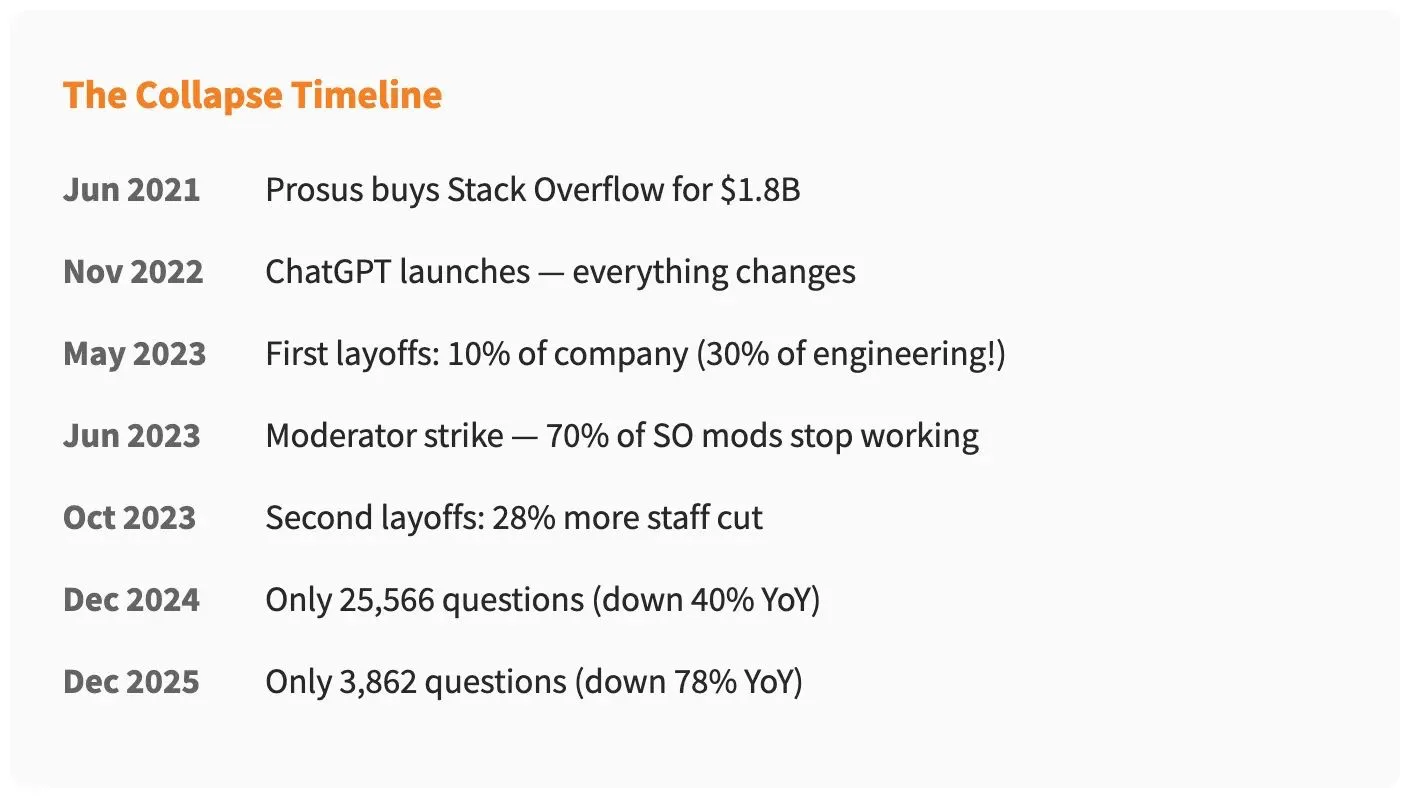
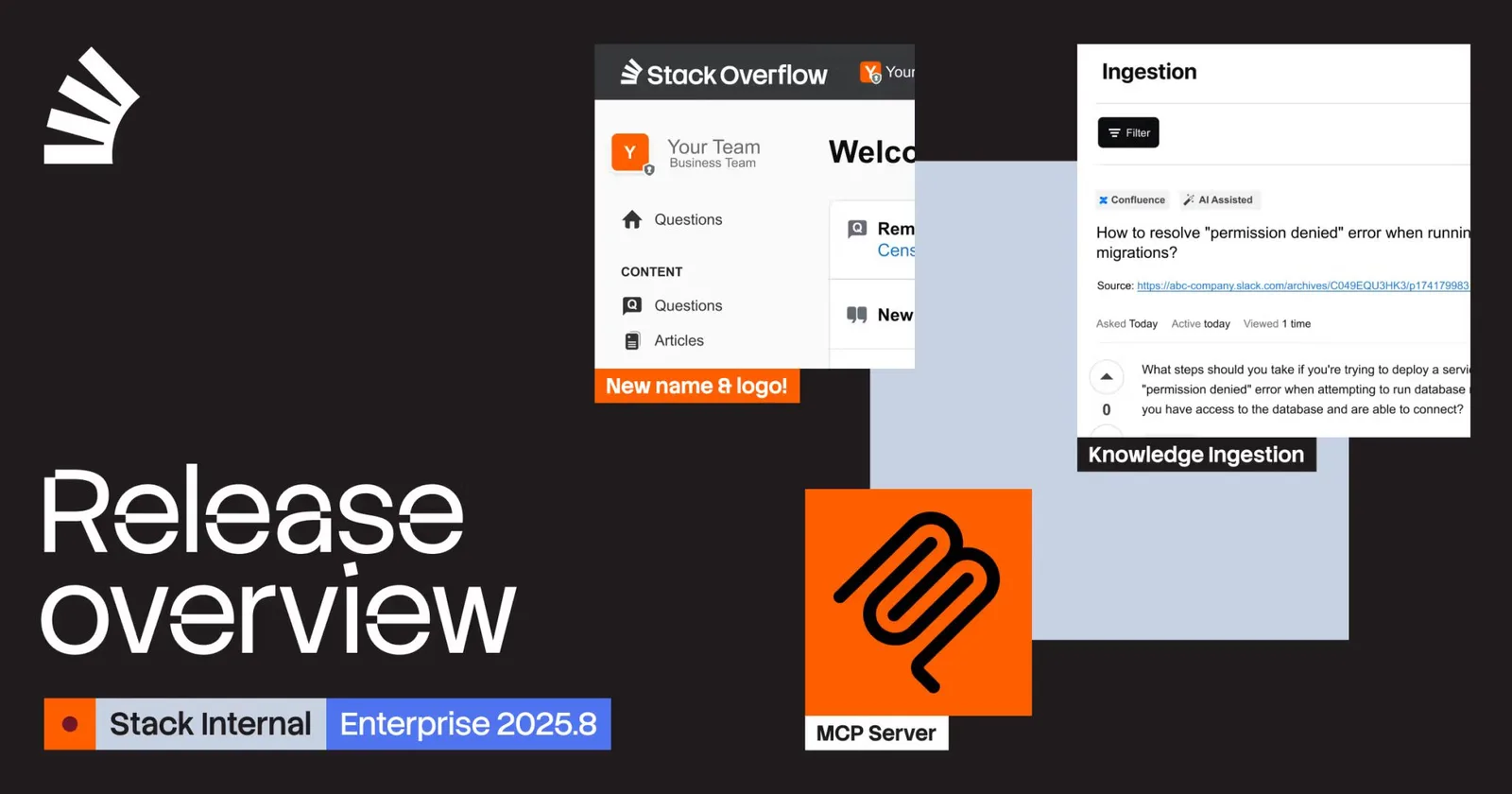
There is a loss of future shared knowledge in the collapse of the community. Past knowledge is still there and/or integrated into AI models as training data. But moving forward, the "stack overflow commons" will no longer produce a shared good. From a business perspective, especially for an owner who paid a large price in 2021 ($1.8bn), it made sense to "privatize" the data. Stack Internal (lnkd.in/gzhNj9gK), launched in November 2025, is a more interesting offering than you might think: it is an organization-restricted equivalent to the old stack overflow, where developers contribute to the internal, private knowledge base, but augmented by AI. Recreating community inside an organization is the best way to leverage (what is left of) the brand without having to compete with the various coding AIs and co-pilots. In fact, the winning argument here is that Stack Internal can in principle work with any AI and augment the shared knowledge base with quality, verified contributions.
The next natural step for stack overflow would be to explore Federated Learning across its enterprise customers. CEO Prashanth Chandrasekar has been in his role since... 2019. He had to steer the company through a perfect storm and stack overflow still has a viable business, and higher revenue, with some damage along the way and probably broken relationships. But for an interesting comparison, consider Chegg.