Human foragers are not that different from other animals. Or from slot machine addicts.
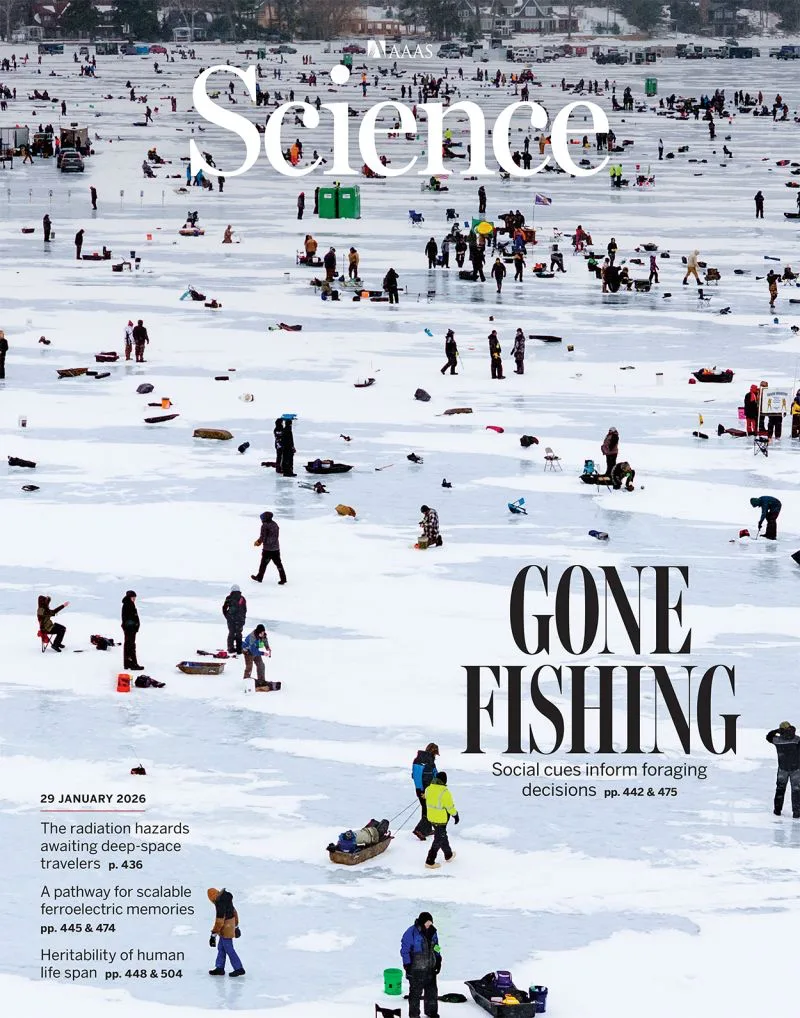
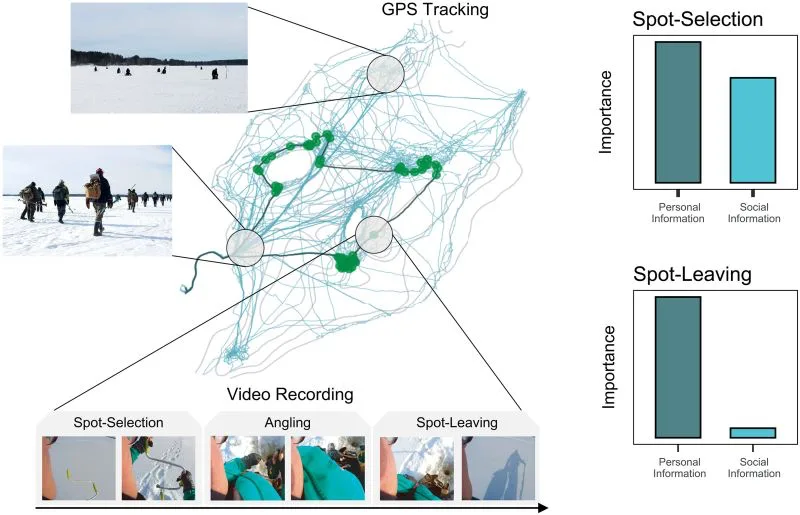
In a study published in Science Magazine (High-precision tracking of human foragers reveals adaptive social information use in the wild, lnkd.in/ggtTUTmr), the researchers observed ice-fishing competitions in eastern Finland to understand decisions about where to fish and when/where to move.
In a nutshell, although it is a nice study, it tells us exactly what you would expect: "Ice fishers go to areas where other individuals are fishing. This social information is integrated with their own catching success: When ice fishers catch fish, they move to nearby areas, but they move further away when not catching any fish." Wow. They used computational modeling to "find that the social context is an important source of information for deciding where to go."
Imitative behavior is a powerful force in many animal species when it comes to finding food, shelter or responding to threats. As for human behavior, imitation has been amplified by technology in social echo chambers. Driven by FOMO and this-guy-must-know-more, we tend to follow others, often blindly, as in a gold rush. One place where you can observe it is at a casino, where the delightful sound of winning at a slot machine attracts eager gamblers to join in the luck. When sampling the environment, we like to make sure to take other people's success, or lack thereof, into account.
D